

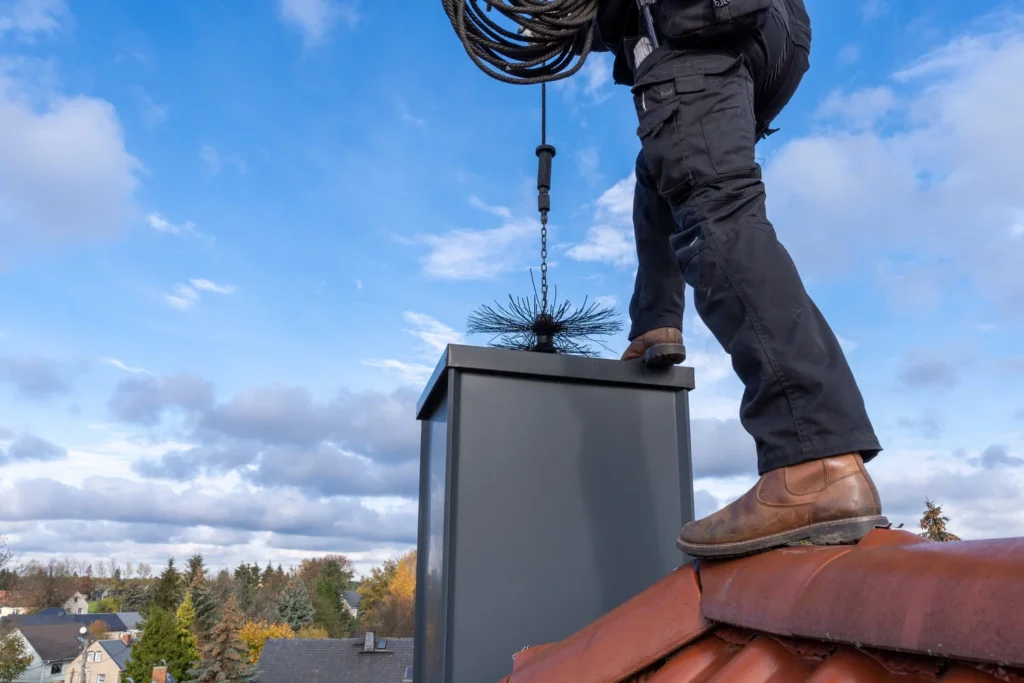
Chimneys are essential for venting smoke and gases from fireplaces, stoves, and heating systems. While they might not be something homeowners think about daily, neglecting chimney maintenance can lead to dangerous situations, including fires and carbon monoxide poisoning. Regular chimney sweeps are more than a matter of cleanliness—they are critical for protecting your home and family.
In this article, we’ll explain why chimney maintenance is so important, common chimney hazards, and how professional services from Metro Chimney and Fireplace ensure your chimney is safe, functional, and efficient.
Why Chimney Maintenance Matters
Chimneys are exposed to high heat, moisture, and byproducts of combustion. Over time, soot, creosote, and debris accumulate inside the flue, creating blockages and flammable deposits. These hazards can significantly increase the risk of chimney fires.
Regular chimney maintenance:
-
Prevents dangerous creosote buildup
-
Reduces the risk of chimney fires
-
Improves the efficiency of your fireplace or stove
-
Helps maintain proper ventilation, preventing smoke or carbon monoxide buildup
A clean, well-maintained chimney ensures that smoke and gases exit your home safely while keeping the fireplace operating efficiently.
Common Chimney Hazards
Creosote Buildup
Creosote is a black, tar-like substance that forms when wood burns incompletely. It is highly flammable and a leading cause of chimney fires. Professional chimney sweeps remove this buildup safely before it becomes a hazard.
Blockages
Leaves, bird nests, or other debris can obstruct the chimney, causing smoke to back up into your home. Blocked chimneys not only create unpleasant odors but also pose serious health and fire risks.
Structural Damage
Over time, chimneys may develop cracks, loose bricks, or deteriorating mortar. These issues can lead to leaks, smoke seepage, or even collapse if not addressed by a professional.
Benefits of Regular Chimney Sweeps
Scheduling regular chimney sweeps offers multiple benefits:
-
Home Safety: Prevents chimney fires and reduces carbon monoxide risk
-
Improved Efficiency: A clean chimney allows your fireplace to burn fuel more effectively
-
Prolonged Lifespan: Routine maintenance prevents structural damage and costly repairs
-
Peace of Mind: Knowing your chimney is clean and safe protects your family and property
Regular inspections also allow professionals to identify potential issues early, ensuring minor repairs don’t turn into major expenses.
How Often Should Chimneys Be Cleaned?
The frequency of chimney sweeps depends on usage:
-
Wood-burning fireplaces: At least once a year, ideally before the heating season
-
Gas fireplaces or stoves: At least every two years, or as recommended by the manufacturer
-
Heavy use or frequent fires: More frequent cleanings may be necessary to maintain safety
Professional chimney sweeps follow industry standards to ensure that all flue surfaces, smoke chambers, and fireboxes are properly cleaned and inspected.
Why Choose Metro Chimney and Fireplace
Metro Chimney and Fireplace provides expert chimney cleaning, inspection, and repair services for homeowners looking to maintain a safe and functional fireplace.
-
Comprehensive Chimney Services: Sweeps, inspections, repairs, and maintenance
-
Professional Expertise: Experienced technicians trained to handle all types of chimneys
-
Safety-Focused: Ensuring homes are protected from fire hazards and smoke issues
-
Reliable and Timely Service: Serving local homeowners with quality and professionalism
By hiring Metro Chimney and Fireplace, homeowners can trust that their chimney is in safe hands and ready for use whenever needed.
Conclusion
Regular chimney sweeps are essential for maintaining a safe and efficient home heating system. They prevent fires, reduce health hazards, and ensure that your fireplace operates properly.
With the expertise of Metro Chimney and Fireplace, homeowners gain peace of mind knowing their chimney is clean, inspected, and maintained according to the highest safety standards. Protect your home and family by scheduling regular chimney sweeps—because safety and efficiency start with a clean chimney.